Thursday October 16, 2025
------------------------------------------
Psychological Horror deep dive
⊹⊱≼≽⊰⊹⊱≼≽⊰⊹⊱≼≽⊰ ⊹⊱≼≽⊰⊹⊱≼≽⊰⊹⊱≼≽⊰⊹⊱≼≽⊰⊹⊱≼≽⊰⊹⊱≼≽⊰⊹
How does it manipulate the audience's mind?
- With the Halloween season approaching, I thought it would be fitting to analyze one of my favorite sub-genres within horror,
psychological horror.
This genre is included within the umbrella of horror. Unlike typical horror movies, psychological horror is made to build tension through mental and emotional manipulation rather than physical scares. It utilizes emotional states such as paranoia, dread, and confusion. Although the idea of having ones mental state be altered through film doesn't sound appealing, it draws a wide audience.
Content:This sub-genre typically utilizes content such as the fear of the unknown, relatable fears, and distorted reality; while taking on intense themes like mental state of the character, intensity, and madness to bring attention to the impending dread rather than relying solely on gory elements.
A common theme within items of media within psychological horror is that it aims to disturb the audience through blurring reality; this makes the horror feel more impactful and personal to the audience viewing it. It is ment to make you uncomfortable and unsettled in your seat, but it draws you in enough to keep you watching.
-------------------------------------------------------------
EX. The film Midsommar develops this horror through a slow burn orchestrated by a sinister pagan cult in Sweden; a couple and their friends travel there for a mid-summer festival. Within their time there, each of them get killed off with Dani being the last one left and accepts the cults brutal traditions.
⊹⊱≼≽⊰⊹⊱≼≽⊰⊹⊱≼≽⊰ ⊹⊱≼≽⊰⊹⊱≼≽⊰⊹⊱≼≽⊰⊹⊱≼≽⊰⊹⊱≼≽⊰⊹⊱≼≽⊰⊹⊱≼≽⊰⊹⊱≼≽⊰⊹
The main focal point is to have the scare factor come from internal fears. When people think of the horror genre as a whole, gore and jump scares tend to be what is seen the most within the media; however, in psychological horror, it's ment to distort ones mind and thinking process. It does this by incorporating real world topics/ scenarios that could be affecting the viewer outside of the media; this can include, trauma, obsession, isolation, delusions, and the fragility of sanity. The main goal is to create a lingering sense of dread and unease through the mind.
-------------------------------------------------------------


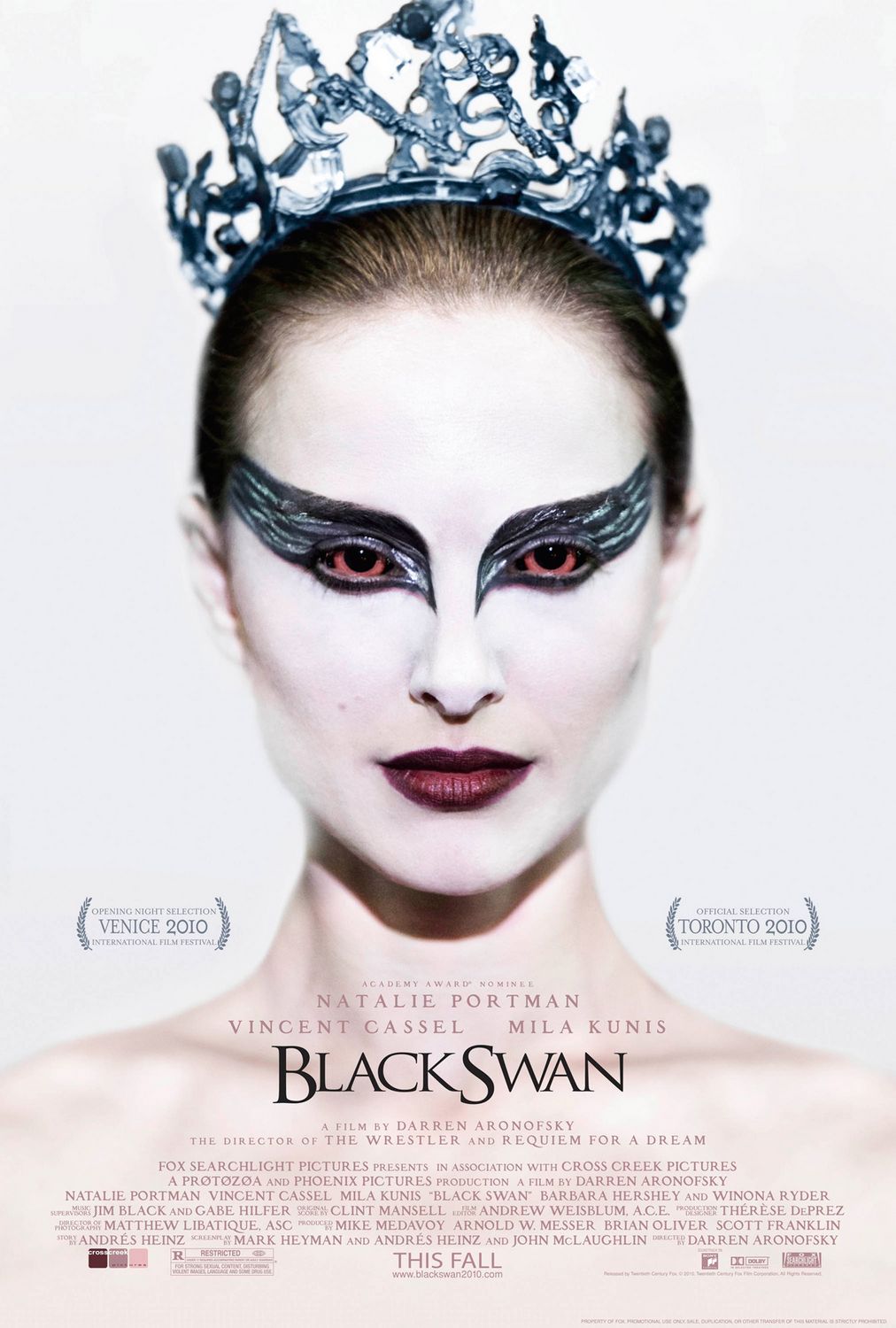
EX. The film Black Swan portrays paranoia when Nina sees herself walk past her on the street. This hallucinated interaction was brought on by a major sense of stress and perfectionism within her dancing, and in return makes her spiral into a psychological breakdown.
⊹⊱≼≽⊰⊹⊱≼≽⊰⊹⊱≼≽⊰ ⊹⊱≼≽⊰⊹⊱≼≽⊰⊹⊱≼≽⊰⊹⊱≼≽⊰⊹⊱≼≽⊰⊹⊱≼≽⊰⊹⊱≼≽⊰⊹⊱≼≽⊰⊹
Production Techniques:
In psychological horror, filmmakers tend to use a combination of cinematography, sound design, editing, and production design to disorient/ disturb the viewer by blurring the line between reality and hallucination.
The sound design plays a huge part in this genre; since it isn't reliant on gore, the overall unsettling music and sometimes pure silence can enhance the building tension. The sheer absence of sound in general can cause the viewer to have a greater reaction to the scare. To add on, the utilization of atmospheric sounds and sound effects such as light music, eerie/ ambient noises, and violent sounds set a chilling backdrop for the scene, even when there isn't much action happening on screen. Scare cues are used often to really highlight a scare, by making quick and sudden musical changes.
-------------------------------------------------------------
EX. The film Requiem for a Dream portrays hip-hop montages that show the characters gradual decline into addiction; you can get an understanding as to how bad it gets by the exaggerated effects and the growing chaos as it worsens. There is also an underlying beat of a pulse.
⊹⊱≼≽⊰⊹⊱≼≽⊰⊹⊱≼≽⊰ ⊹⊱≼≽⊰⊹⊱≼≽⊰⊹⊱≼≽⊰⊹⊱≼≽⊰⊹⊱≼≽⊰⊹⊱≼≽⊰⊹⊱≼≽⊰⊹⊱≼≽⊰⊹
The use of low-key lighting is used all across the genre of horror; it provides a sense of building tension with the slow and long camera movements mixed with quick cuts. It is used to disorient the viewer to construct anticipation. Within these specific scenes, sound plays a very crucial part by adding eerie background elements, unsettling music, and utilizing silence to heighten the tension in the atmosphere.
-------------------------------------------------------------
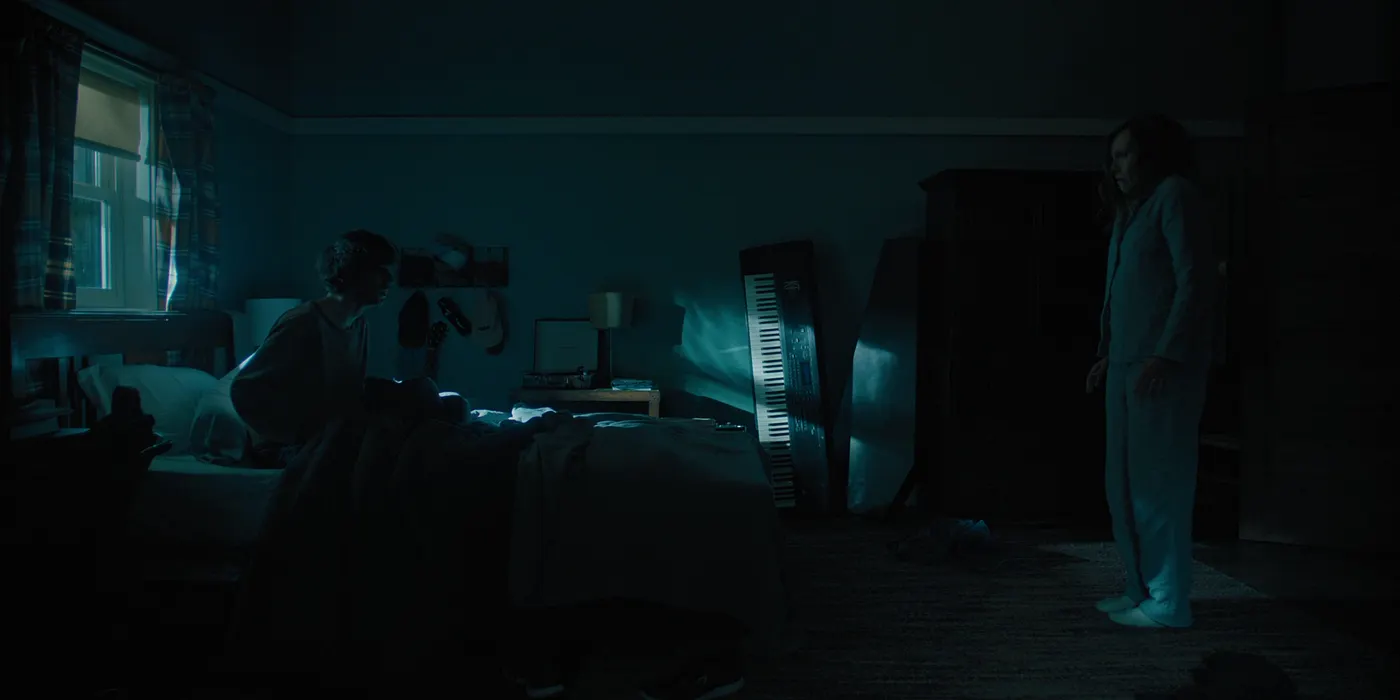
EX. The film Hereditary uses low-key lighting when Peter is unaware of a shadow figure in the corner of his room. He wakes to see that figure morph into his decapitated sister, Charlie.
⊹⊱≼≽⊰⊹⊱≼≽⊰⊹⊱≼≽⊰ ⊹⊱≼≽⊰⊹⊱≼≽⊰⊹⊱≼≽⊰⊹⊱≼≽⊰⊹⊱≼≽⊰⊹⊱≼≽⊰⊹⊱≼≽⊰⊹⊱≼≽⊰⊹
Marketing:
The audience for these films range between 18 - 35 year olds. It typically appeals to people who appreciate suspenseful and disturbing themes that don't necessarily depend on gore to create the horror; it appeals to all genders. It draws people in through a blend of mysterious teasers and implied threats that evoke an unsettling feeling within the viewer without showing/ revealing the main threat in the film. A lot of campaigns create cryptic websites or staged real-world stunts in public to draw curiosity and intrigue the audience into wanting more; which in return makes them go see the film. The main focus is to get the viewer to think and piece together the fragmented, unsettling picture.
Movie posters play a big role in setting the scene for the film itself. The use of visual cues like suspenseful imagery, disconcerting coloring, and suggestive symbolism to evoke tension without explicitly revealing the threat are details you would usually see in films like these. A common theme i've noticed within these posters, is that a lot of them have some sort of red coloring incorporated within it. That bright and bold color shows intensity to the viewer, even if there is just a little bit of it. In addition, The use of minimalism in the posters help to not disclose what the film entails, however, they still get the chilling and tense feeling across to the audience.
⊹⊱≼≽⊰⊹⊱≼≽⊰⊹⊱≼≽⊰ ⊹⊱≼≽⊰⊹⊱≼≽⊰⊹⊱≼≽⊰⊹⊱≼≽⊰⊹⊱≼≽⊰⊹⊱≼≽⊰⊹⊱≼≽⊰⊹⊱≼≽⊰⊹
Samples:
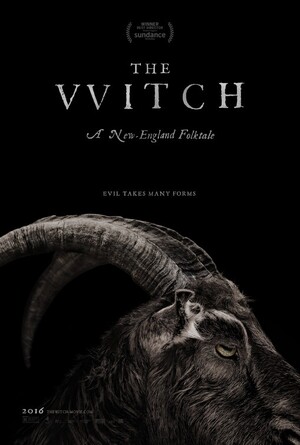
The film The Witch (
2015) is inspired by the historical atmosphere surrounding witchcraft and the fear and paranoia that comes along with it. It's set in 1630s New England and follows Thomasin (
Anya Taylor-Joy) who is accused of witchcraft after her younger brother, Samuel, vanished under her watch. This evokes panic and despair in her family; because of the disappearance, twin siblings Mercy (
Ellie Grainger) and Jonas (
Lucas Dawson) suspect Thomasin of witchcraft. This creates a test of loyalty and love in their family. The film utilizes dark and somber colors, with low-key lighting being a focal point of conveying the darkness to the audience, not only in the visual aspect but in the overall message of the movie as well. The techniques that were used during the filming process help build a historically accurate and naturalistic look; they utilized lighting that gave off a natural essence, such as beeswax candles and tea lights. In addition, the set design, costumes, and even the language that was spoken in the film was all accurate to the history and time of witchcraft.
-------------------------------------------------------------

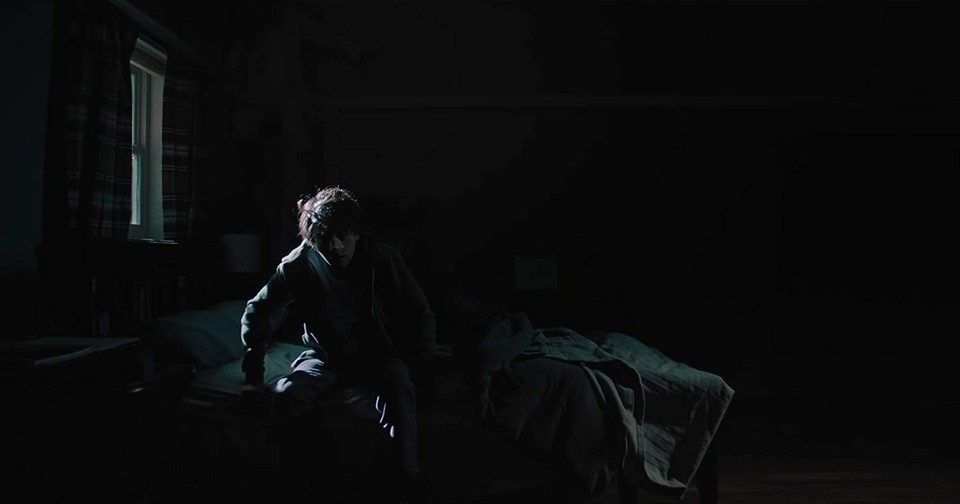
The film Hereditary (
2018) follows the themes of supernatural beings that are tied to the Graham family; which results in them getting tormented by those same sinister forces after the death of their matriarch, a woman who is the head of a family/ tribe, Ellen (
Pat Barnett Carr). Without their knowledge, Ellen was the leader of a demon-worshipping cult dedicated to the demon, Paimon. The whole film surrounds the idea of having Paimon's spirit transferred into the son, Peter (
Alex Wolff), through a ritualistic possession. At the end of the film Peter falls victim to Paimon, as the transfer was successful. This film uses a lot of framing through doorways, windows, and hallways to create a sense of being watched or trapped, which translates to how the mother, Annie (
Toni Collete), is feeling after the death of her daughter Charlie (
Milly Shapiro). In addition, the slow movements of the camera are used to mimic the characters gaze, which in return makes the atmosphere more tense and suspenseful; as well as, making the audience feel immersed into the story. The usage of low-key lighting, where the viewer can just barely see the background, builds apprehension in the unknown; like how Charlie can be seen in the corner of Peters room, without him knowing. The overall possession and demon like themes of the film really convey to the audience through the unsettling sounds and imagery used throughout the piece.
⊹⊱≼≽⊰⊹⊱≼≽⊰⊹⊱≼≽⊰ ⊹⊱≼≽⊰⊹⊱≼≽⊰⊹⊱≼≽⊰⊹⊱≼≽⊰⊹⊱≼≽⊰⊹⊱≼≽⊰⊹⊱≼≽⊰⊹⊱≼≽⊰⊹
Examples: The Silence of the Lambs (1991)
Black Swan (2010)
Rosemary's Baby (1968)
Get Out (2017)
The Shining (1980)
I Saw the TV Glow (2024)

.jpeg)




No comments:
Post a Comment